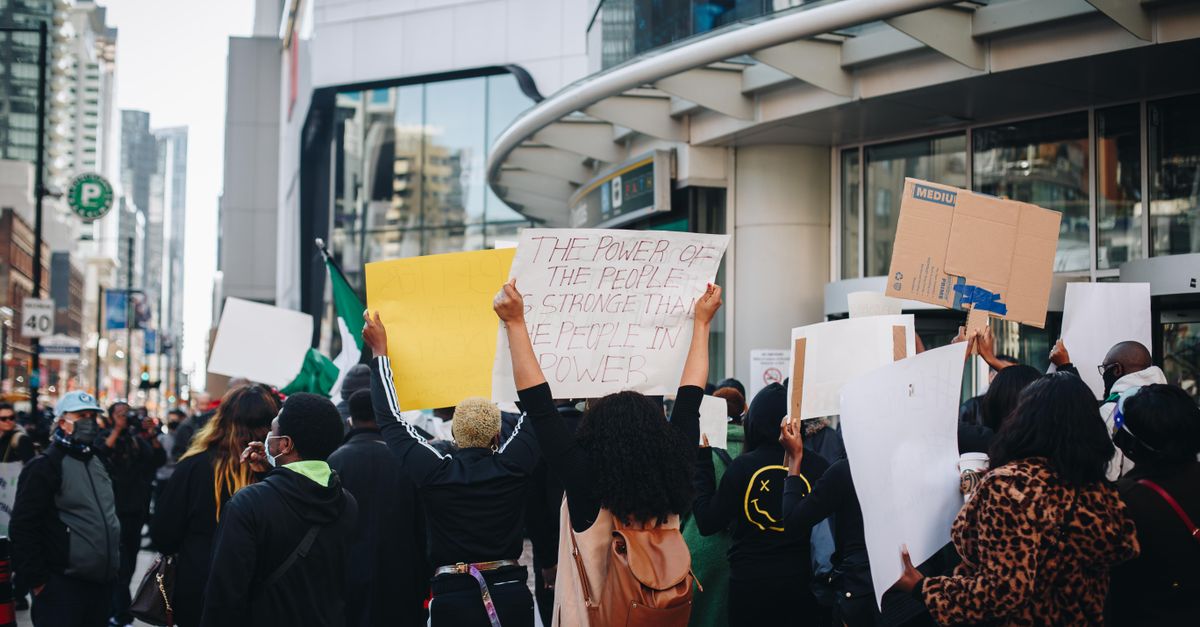
Let’s get the controversial part out of the way immediately: The mainstream is dead. Not dying, not evolving—deceased. The algorithm killed it, and we all showed up to the funeral dressed in "vintage" fits that we bought from micro-brands we discovered on TikTok at 2 AM.
For the last seventy years, culture was a broadcast model. A few gatekeepers in New York and Los Angeles decided what was cool, sold it to the masses via TV and radio, and we all consumed the exact same slop until we got sick of it. But that model relied on a scarcity of attention and a monopoly on distribution. That era is over.
We are currently living through the rise of "Micro-Cultures"—hyper-niche online communities that don't just consume trends, but manufacture them. And here’s the twist that most people miss: they aren't staying in their lanes anymore. These tiny forums and Discord servers are now the R&D departments for the entire global economy.
I’m not talking about "subcultures" in the 90s sense—where you had to physically go to a club or buy a specific zine to be "in the know." I’m talking about communities of 10,000 people who are obsessed with something so specific that they speak their own language, and yet, somehow, their aesthetic ends up on the racks at Zara six months later.
How did we get here? And more importantly, why is your mom now using Gen Z slang that originated in a private Discord server for niche anime Vtubers?
The Algorithmic Erosion of the "Middle"
To understand why micro-cultures are winning, you have to understand the economic collapse of the "average."
The old guard—think major record labels, Hollywood studios, and fast fashion giants—operate on the Law of Large Numbers. They need to sell 10 million units to make a profit. That means they have to appeal to the lowest common denominator. They need the "middle."
But here is what the internet has done: it has made the "middle" unprofitable. When I scroll through my feed, I don't see the same things you see. We live in Filter Bubbles that are so tight, they are practically vacuums. The algorithm doesn't reward broad appeal; it rewards high engagement, and high engagement comes from tribalism.
I've found that this creates a fascinating dynamic. A subreddit dedicated to mechanical keyboards with 200,000 members is more valuable to advertisers than a primetime network show with 5 million viewers. Why? Because the keyboard subreddit has a defined identity. They know exactly what they want. They will spend $400 on a custom aluminum case without blinking because they are part of a culture, not an audience.
This fragmentation has created a vacuum at the top. Since the mainstream can't rely on the passive consumer anymore, they have to look down. They have to mine the depths of the internet for the next big thing.
When "Niche" Becomes the New "Basic"
Here is the core irony of the internet age: The moment a micro-culture gains enough traction to be noticed, it is immediately absorbed and commodified.
Let me give you a prime example: "Gorpcore." A few years ago, the micro-culture was "Techwear" or "Hiking Nerds." These were people who genuinely cared about the breathability of Gore-Tex and the weight of a carabiner. They were in Facebook groups discussing the history of Arc’teryx.
Then, the fashion elite—desperate for novelty—looked at these forums and said, "This is raw, this is authentic." They co-opted the utility vest and the trail runner. Suddenly, the niche community of "outdoor enthusiasts" was being copied by luxury brands charging $1,200 for a jacket that looks like it belongs on a mountain rescue team.
Here's what most people miss about this cycle: The micro-culture doesn't die when it goes mainstream; it just mutates. The original members become disgusted with the "tourists," sell their hype items, and retreat deeper into the woods—literally and metaphorically. They find a new obscure brand from a Japanese workwear label, and the cycle starts again.
This is the engine of modern trend-creation. It relies on the "Cooling Tower" effect—where the core creators are always one step ahead, and the mainstream is always chasing the steam.
Why "Weird" Subcultures Win (The Data Doesn't Lie)
Let’s be honest: predicting culture used to be a guessing game based on a focus group of teenagers in a mall. Now, it's a data science.
Micro-cultures are successful because they offer something the "real world" increasingly doesn't: Belonging.
I recently fell down a rabbit hole of "Mall Goth" nostalgia on TikTok. It wasn't just a bunch of people remembering Hot Topic; it was a full-blown micro-culture that had reconstructed the exact playlist, the specific type of wallet chain, and the precise shade of black eyeshadow from 1998. They weren't just looking back; they were building a hyper-specific digital museum.
This specificity is the golden ticket. Look at the rise of "Dark Academia" or "Cottagecore." These started as Tumblr aesthetics—micro-cultures with strict visual rules and literary references. They weren't created by a marketing team; they were organic, chaotic, and deeply human.
The reason they resonate is that they are a rebellion against the algorithm’s homogenization. When everything on your feed looks the same AI-generated "clean girl" content, a micro-culture that celebrates dirt, tweed, and old poetry feels radical.
So, how do these shifts actually happen? It’s not magic. It follows a predictable path:
- The Incubation: A small group on a specific platform (Discord, a private subreddit, a TikTok tag) creates a distinct aesthetic language.
- The Leak: A "normie" influencer with a large following stumbles upon the niche and shares it out of context for engagement bait.
- The Scaling: Brands notice the engagement spikes. They use social listening tools to spot the trending keywords associated with the niche.
- The Fast Fashion Flip: Shein or H&M produces a knockoff version within 3 weeks. The price drops, the quality drops, and the trend hits the "mass adoption" phase.
- The Death Rattle: The originators move on. The trend is now "cringe."
The "Cultural Curator" Is the New Celebrity
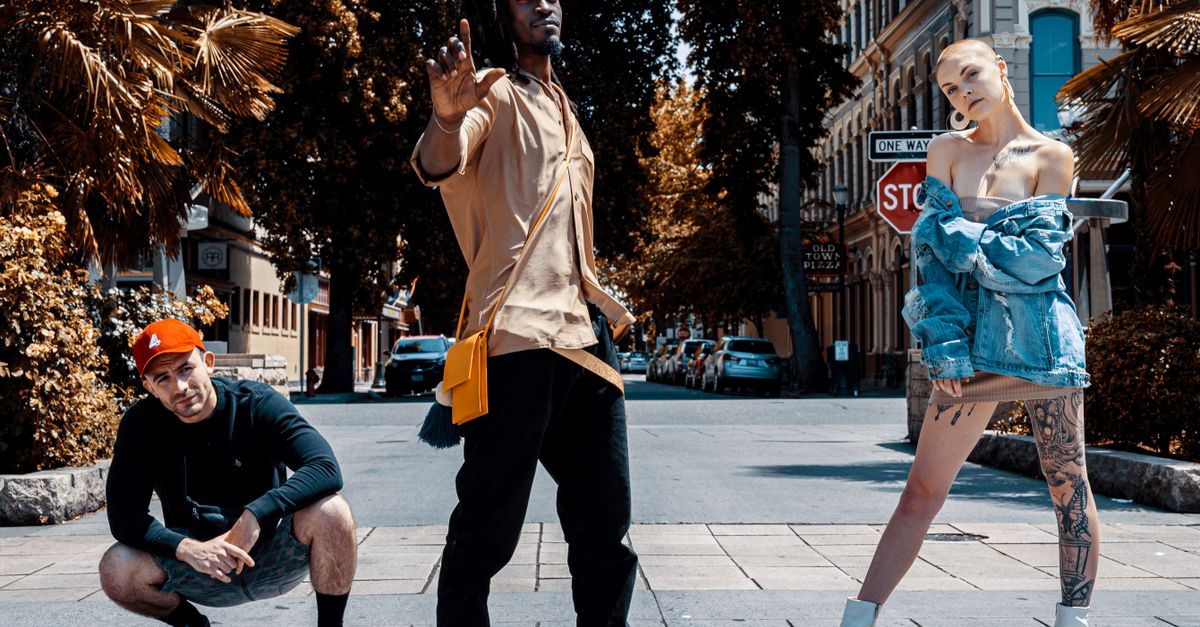
If the mainstream is dead, who are the new tastemakers? It’s not the actors or the musicians. It’s the Curators.
I’m talking about the guy who runs a YouTube channel reviewing obscure Y2K digital cameras. I’m talking about the woman who documents the history of Black hair care products on Instagram. These people don't have millions of followers, but they have influence that is 100x more potent than a celebrity endorsement.
Why? Because trust has shifted. We don't trust the celebrity who is paid to wear the watch. We trust the micro-influencer who spent their own money on it and can explain the mechanism of the movement in detail.
This has led to a strange phenomenon: The "Anti-Trend" Trend. Micro-cultures are now actively trying to stay small to avoid the death-knell of mainstream adoption. They use "closed" platforms like GroupMe or Signal to share ideas. They hide their memes behind layers of irony to confuse outsiders.
It’s a fascinating arms race. The mainstream is trying to listen in, and the micro-cultures are building soundproof walls.
The Illusion of Choice
But here is the dark side of this cultural evolution that we need to address. While it feels like we have more choice than ever, we are actually seeing a Convergence of Aesthetics.
Because the cycle of "find niche --> exploit niche --> discard niche" is so fast, brands are hedging their bets. They aren't betting on one trend; they are betting on trending itself. This leads to a "Frankenstein" style of design—a little bit of streetwear, a dash of workwear, a hint of 80s nostalgia.

We end up with a generation of products that are vaguely "in style" but belong to no culture at all. It’s ambient culture. It’s designed not to offend, but to be algorithmically palatable.
Is that a good thing? I’m not so sure. When we lose the friction of actual culture clash, we lose the texture of life. If everyone is wearing a "vintage" band tee of a band they don't know, purchased from a micro-brand that printed it in a warehouse, are we really expressing ourselves? Or are we just serving as billboards for someone else’s data mining?
How to Survive (and Thrive) in the Micro-Culture Era
So, what do we do with this knowledge? Are we doomed to be consumers of our own subcultures?
I think there is a way out. The key is Intentionality.
Don't just join a micro-culture to look cool; join it because you actually like the thing. The internet is vast enough to support a community for literally any interest. Whether you’re into restoring vintage synthesizers or studying the architecture of Soviet bus stops, there is a group of 5,000 people waiting for you.
The secret is to stop chasing the "mainstream" version of your interests. The magic doesn't happen at the top of the funnel; it happens at the bottom.
Here is my challenge to you: Find one thing you love that is incredibly specific and hard to explain. Go deep into the rabbit hole. Find the forum, find the Discord, find the obscure subreddit. Contribute to it. Learn the secret language.
Because the future isn't about being famous to everyone. It's about being legendary to a few. The mainstream isn't going to save you, entertain you, or understand you anymore. The only culture that matters is the one you're actively building with your hands and your keyboard.

Stop waiting for the world to tell you what’s cool. Go find the five people who are already obsessed with the same weird thing you are, and build your own damn empire.